What Is a Brooch Pendant? How to Wear and Style It
The AVELIA Brooch Guide / Convertible Jewelry
One piece, two ways to wear.
A brooch pendant is a piece of jewelry that can be pinned to clothing or worn on a necklace chain. The difference is usually a small fitting on the back: a pendant hook, loop or other fitting often called a bail. It gives a familiar brooch a second life beyond the lapel, without having to remove the pin or change the design.
Perhaps you have inherited a vintage pin and wonder what the little hook or loop on its back is for. Or you have found a brooch you love but would rather wear it with your favorite sweater than pin it through the fabric. This guide explains how to recognize a convertible brooch, use its pendant fitting, choose a suitable chain and decide when a separate converter is worth considering.

The detail that makes the difference
From lapel to neckline
The built-in pendant hook holds the chain, while the original pin remains available for brooch wear.
Illustration of the attachment. Always close the pin before wearing. Chain shown for styling only; not included.
In this guide
What is a brooch pendant?
A pendant brooch (also called a brooch pendant or convertible brooch) combines the functions of two familiar jewelry pieces. A pin and catch allow it to attach to clothing, while a separate hanging fitting allows it to be suspended from a compatible chain. The fitting may sit behind the design, where it is almost invisible from the front.
The idea is particularly useful for decorative pieces such as flowers, birds, geometric motifs and vintage-inspired designs. You can change the way you wear a piece without buying another ornament. At AVELIA, every piece in our Brooch Pendants collection has a purpose-designed pendant fitting as well as a pin. The chain is yours to choose; necklace chains are not included.
How to identify a pendant brooch
Turn the jewelry over rather than judging from the front. A regular brooch normally has a hinged pin and a catch. A convertible brooch also has an attachment intended to hold a chain. A decorative opening in the metalwork is not necessarily a pendant fitting.
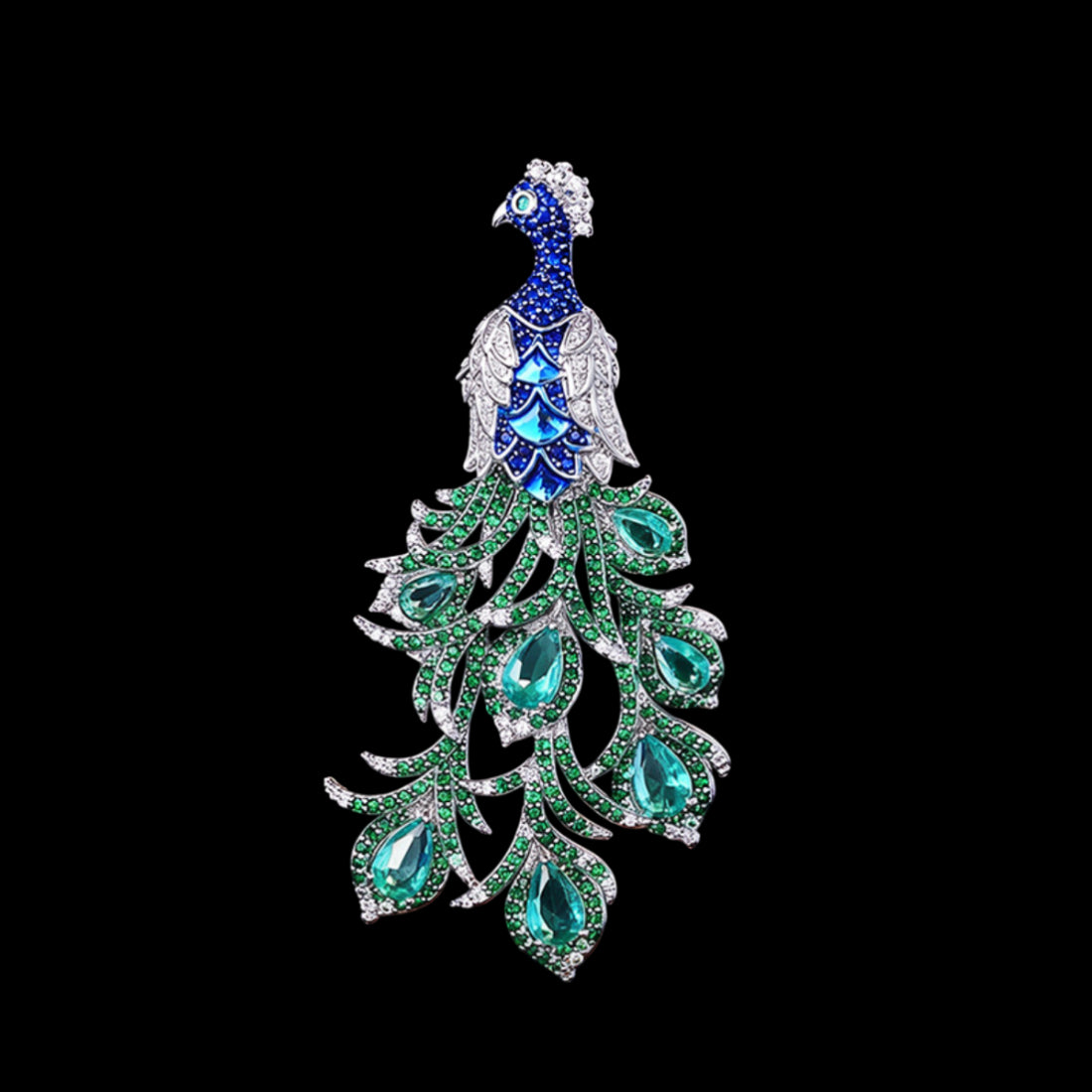
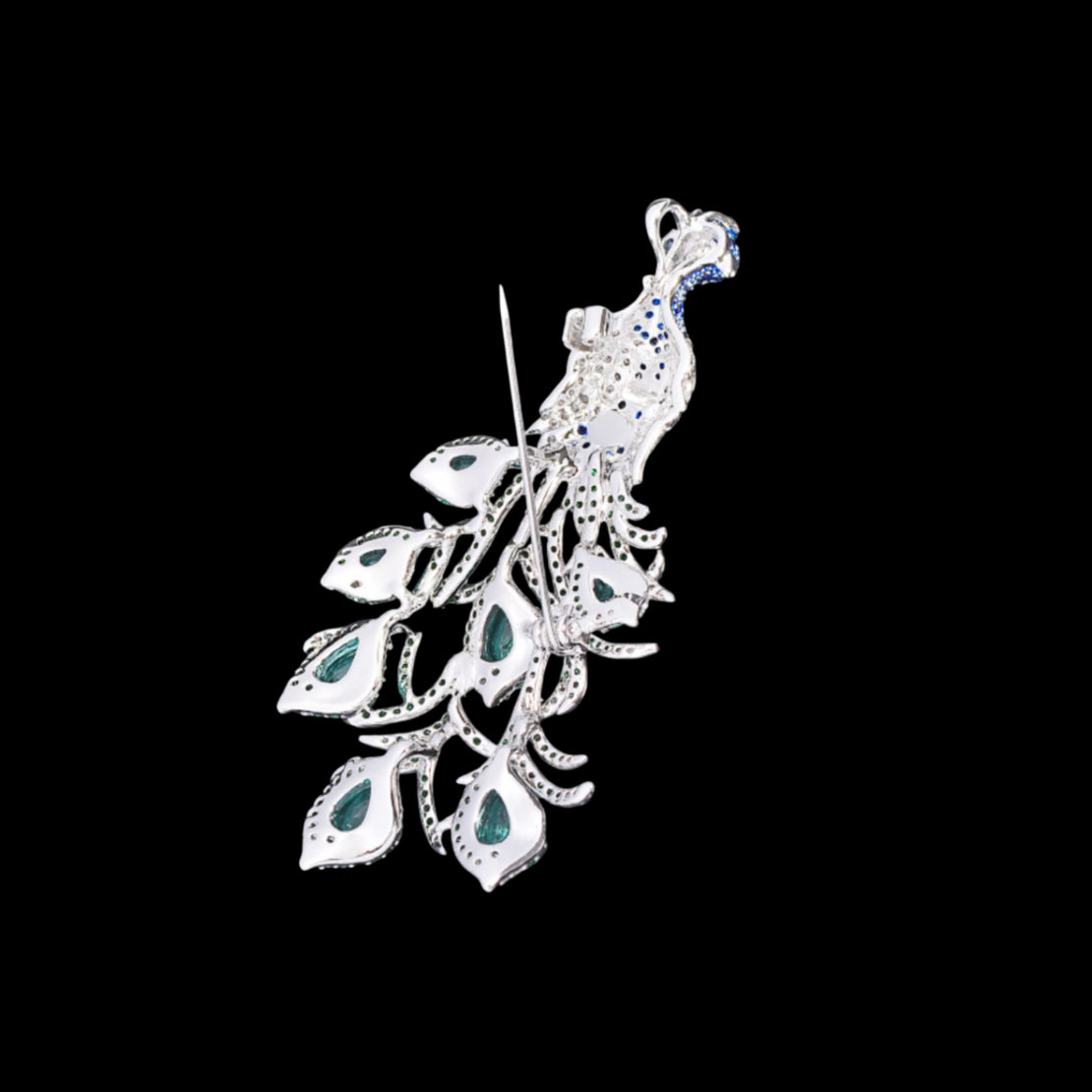
The Blue Green Crystal Peacock Tail Brooch is a useful example: the hook behind its upper section is the attachment point for a chain. The long pin is for fastening the piece to a garment, not for hanging it from the chain.
| Feature | Regular brooch | Brooch pendant | Traditional pendant |
|---|---|---|---|
| Pin and catch | Yes | Yes | Usually no |
| Dedicated chain fitting | Usually no | Yes | Usually yes |
| Attach directly to clothing | Yes | Yes | Usually no |
| Wear on a chain | May need a converter | Yes, with a compatible chain | Yes |
How to wear a brooch as a pendant
If your piece already has a dedicated pendant fitting, changing from brooch to pendant is straightforward. Work over a soft surface so that a dropped piece does not strike a hard floor.
- Find the pendant fitting. Inspect the fitting for damage or looseness. Do not confuse it with a decorative cutout or the pin catch.
- Close the pin. Make sure the sharp point is fully seated in the catch. Engage the safety mechanism if the brooch has one.
- Attach your own chain. For an open pendant hook, slip a suitable part of your chain onto the hook without forcing it. For a closed loop, feed the smaller end of the chain through it. If the fitting has a hinged or locking mechanism, follow its instructions. Never bend a fixed hook or pry a closed loop open.
- Check the way it hangs. Fasten the necklace and gently lift it over a soft surface. Make sure the piece faces outward, the chain cannot easily slip off during normal movement and the pin does not protrude. If the chain comes free too easily, do not wear the piece as a pendant with that chain.
- Return it to brooch wear. Remove the chain, then use the original pin and catch as intended.
How to convert a regular brooch
Not all brooches were made to be pendants. If you already own a traditional pin without a dedicated pendant fitting, there are two alternatives to consider.
Use a removable brooch-to-pendant converter
A tube-style brooch to pendant converter fits over the existing pin stem and provides a separate loop for a chain. With a compatible converter, open the pin, place the converter on the stem, and close the catch completely before adding the chain. The pin direction, stem thickness, available space and balance all affect whether this works. If the catch cannot close freely, choose another fitting or keep the piece as a brooch.
Ask a jeweler about permanent conversion
For a brooch with a damaged clasp or an unsuitable shape, a jeweler may be able to fit a new bail or alter the back. This can affect the original construction and may not be reversible. With an inherited cameo, signed vintage piece, antique brooch, delicate enamel or pearl jewelry, seek advice before any modification. Avoid home drilling, bending or gluing on valuable pieces.
| Method | What you need | Original brooch preserved? |
|---|---|---|
| Built-in pendant fitting | Compatible chain | Yes |
| Removable converter | Correctly fitted adapter and chain | Generally yes |
| Professional conversion | Jeweler assessment and suitable fitting | Depends on the work |
For more on the hardware itself, see Fire Mountain Gems’ guide to jewelry bails and Quick Jewelry Repairs’ overview of brooch conversion. These are independent technical resources, not products supplied with AVELIA brooch pendants.
How to choose the right chain
1. Match the chain to the hook or loop
For an open pendant hook, check the size of the entry gap and the space inside the hook. The part of the chain you attach must fit without force and stay securely in place during normal movement; the chain clasp does not necessarily need to pass through. For a closed loop, check that the chain end ring or clasp is small enough to pass through its inner opening. In either case, if the fit feels loose or the chain cannot be attached safely, choose another chain or ask a jeweler.
2. Match chain strength to the pendant
A convertible brooch includes extra metalwork and a pin, so it can weigh more than a conventional pendant of a similar size. Choose a chain and clasp suited to the actual weight and construction. Cable and box chains are possible starting points, but there is no universal safe chain thickness. Avoid very fine or damaged chains for substantial designs.
For example, our Gold Peacock Brooch with Blue and Green Crystals is 2.95 inches long and weighs 16.1 g. Check the strength of your chain before pairing it with a piece of this size; the weight is a more useful starting point than appearance alone.
3. Choose a length for your neckline
Use your existing necklaces as a guide. A large pendant extends below the point where the chain meets it, so test the combined drop against the neckline and the garment. These lengths are styling starting points, not rules.
| Chain length | Where to try it | Styling idea |
|---|---|---|
| 16–18 in / 41–46 cm | Open collar or V-neck | Smaller floral or pearl design |
| 20–24 in / 51–61 cm | Plain blouse or dress | Medium geometric or animal motif |
| 28–32 in / 71–81 cm | Turtleneck or sweater | Elongated statement brooch pendant |
4. Coordinate the finish
Gold-tone chains complement warm metalwork and cream or amber colors. Silver-tone chains work beautifully with clear crystals, cool blue hues and silvery finishes. Mixed metals can be intentional, especially when the brooch already contains more than one finish. In all cases, fit and strength come before color.
Six brooch pendant styling ideas
The following pieces are selected from our convertible collection. Each can also return to its traditional role as a brooch. Think of these suggestions as ways to use your wardrobe, rather than rules about which jewelry belongs to which occasion.
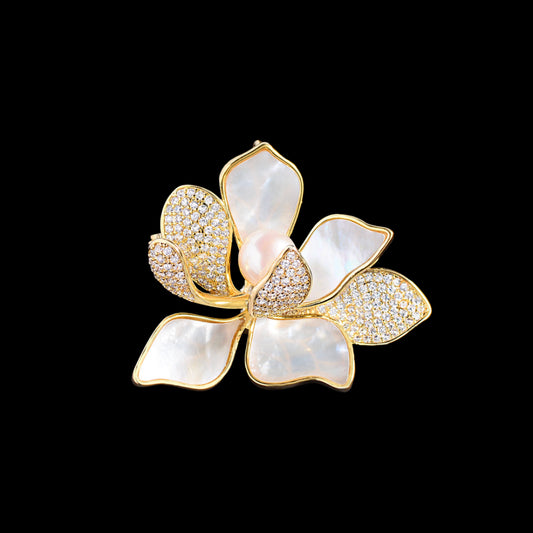
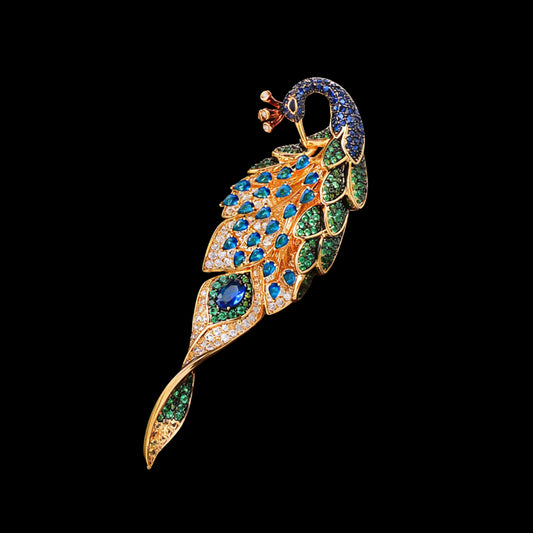
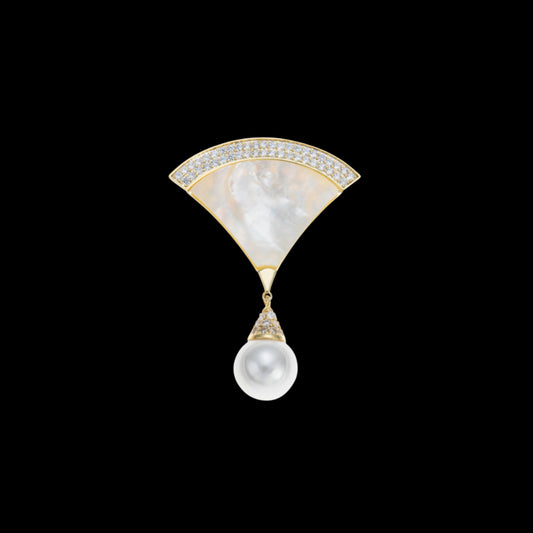
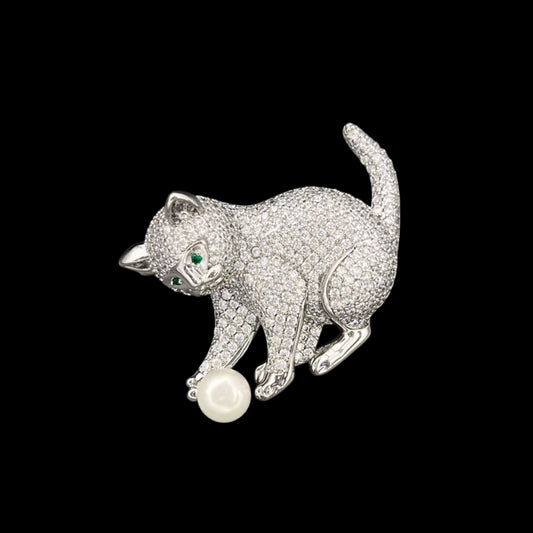
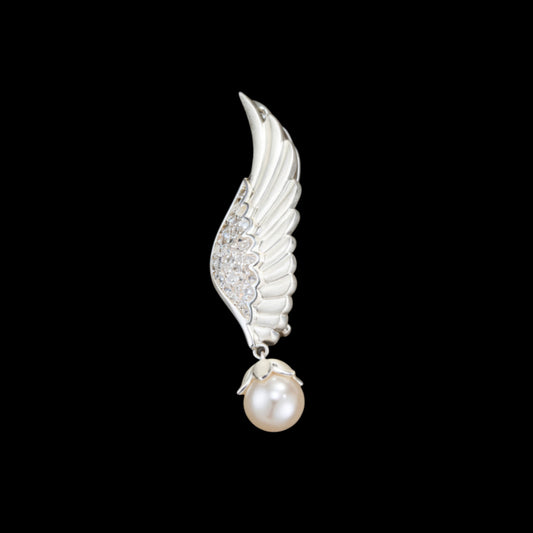
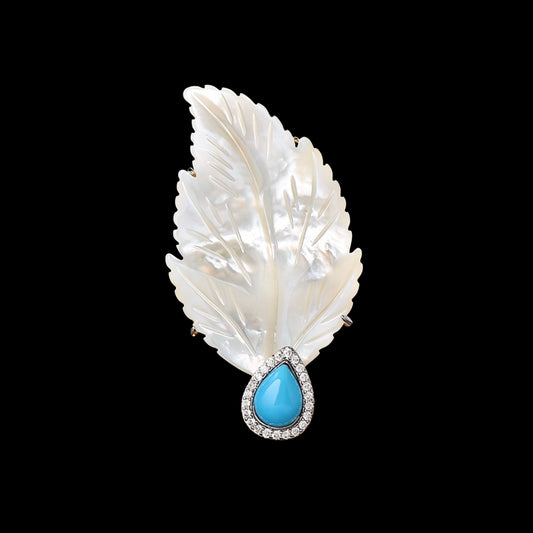
Product photographs show the brooches themselves. Styling suggestions are illustrative; necklace chains are not included.
If you prefer to decorate a garment without piercing it, wearing a convertible brooch on a chain is one option. For a lapel or scarf placement without a pinhole, our Magnetic Brooches offer a different approach. See also our guide to wearing brooches without damaging clothes.
What to look for before buying
Whether buying a new brooch pendant or checking a vintage one, look beyond the decorative face. The back of the jewelry tells you whether the piece will suit your everyday habits.
- A dedicated pendant fitting: look for a clear reverse image and confirm that the attachment is intended for chain wear.
- A secure pin catch: the point should be fully enclosed when closed.
- Dimensions and weight: consider the combined drop and the chain you already own.
- Balance: a wide or asymmetric design may not hang like a narrow conventional pendant.
- What is included: confirm whether the listing supplies the decorative piece, a chain or a separate converter.
- Condition and materials: for vintage pieces in particular, check for wear, loose fittings and previous repairs.
If the usable fitting dimensions are not listed, contact the seller before ordering when compatibility with a particular chain matters. You do not need to buy a new chain if one you own is suitable.
Frequently asked questions
Are brooch pendants and pendant brooches the same thing?
Generally, yes. Both names commonly refer to jewelry that works as a brooch and as a pendant. Convertible brooch is another useful term, although some convertible jewelry uses other mechanisms.
What is the little hook or loop on the back of my brooch called?
It is a pendant fitting, often called a bail. An open fitting may be called a pendant hook, while a closed ring is commonly called a pendant loop. Some fittings are partly concealed behind the design.
Does a brooch pendant hook need to be closed?
No. Some brooch pendants have an open hook designed to receive a necklace chain without threading the clasp through a closed ring. The chain must fit the hook and remain secure during normal wear. If it slips out easily, choose another chain or wear the piece as a brooch. Never bend the hook to make a chain fit.
Can I turn a brooch into a pendant without a converter?
Yes, if the brooch already has a suitable pendant fitting. A regular brooch without one may need an adapter or professional work. Do not simply hang a chain from an open pin.
Why does my brooch pendant flip over or hang sideways?
The fitting may sit away from the center of gravity, the chain may twist, or the converter may be unsuitable. Try a compatible chain that moves freely and check the attachment. If it still hangs poorly, consult a jeweler or wear it as a pin instead.
Can I wear a heavy brooch as a necklace?
Possibly, if the fitting, chain and clasp are suitable for its weight and it hangs comfortably. Check the actual piece rather than relying on a generic chain thickness recommendation.
Can I wear a brooch pendant without making holes in my clothing?
Yes, when worn from a chain with the pin securely closed, there is no need to pierce the garment. Raised settings can still catch delicate fabric, so check the back and edges before wearing.
Can a pendant be turned into a brooch?
Some pendants can accept a removable pin adapter, while others need a jeweler to fit a pin mechanism. The back surface, shape, weight and material determine what is possible.
Is a vintage cameo brooch suitable for pendant wear?
Some cameo brooches were made with both fittings. Check the reverse side and the condition of the mounting. If the piece is antique or collectible, ask a specialist before altering it.
Do AVELIA brooch pendants come with a necklace chain?
No. The pieces in our Brooch Pendants collection are sold as brooches with built-in pendant fittings. Pair them with your own compatible chain; no separate converter is required.
The AVELIA Edit
One Piece. Two Ways to Wear.
From luminous floral designs to expressive birds and vintage-inspired details, discover brooches made to move between your lapel and your neckline.
Explore Brooch PendantsNecklace chains are not included.